Done With (2026) 1#: Trails in the Sky 1st Chapter


I grew up surrounded by family members who went out of their way to finish turn-based RPG games that were in Japanese (I mean, Thai people were selling some pirated Japanese version of those PS1 games). Hell, even now in their 40s, they are still playing Final Fantasy VII Rebirth and looking forward to Dragon Quest XII while racing my nieces and nephews. We aren’t even counting CRPG that they exposed me to, like Baldur’s Gate and Star Wars: The Old Republic, but that’s a story for another day. Obviously, their taste passed on to me at a young age as I was playing the Final Fantasy titles they bought as young as I was five. I had no idea what I was doing or where I was going or what the buttons do, hell I could barely beat Ifrit tutorial fight in Final Fantasy VIII, but I somehow finished Final Fantasy IX as a 9-year old who didn’t know English with the help of guidebook that I could barely understand (as I was too young).
Being someone who came from a family that didn’t stop me from playing video games, but would ask me to save up for things I want to purchase, I resorted to playing free-to-play games for the longest time, which pulled me away from the genre for quite some time. Kingdom Hearts and Dragon Quest VIII were replaced by obscure Korean MMORPG for a while. For the longest time since my teenage years, it really does feel like I’ve been playing catch up with Japanese roleplaying games that I grew up loving. Learning the existence of incredibly popular series that I missed like Shin Megami Tensei and its spin-offs like Persona was not only eye-opening, but it was such a game-changer to me.
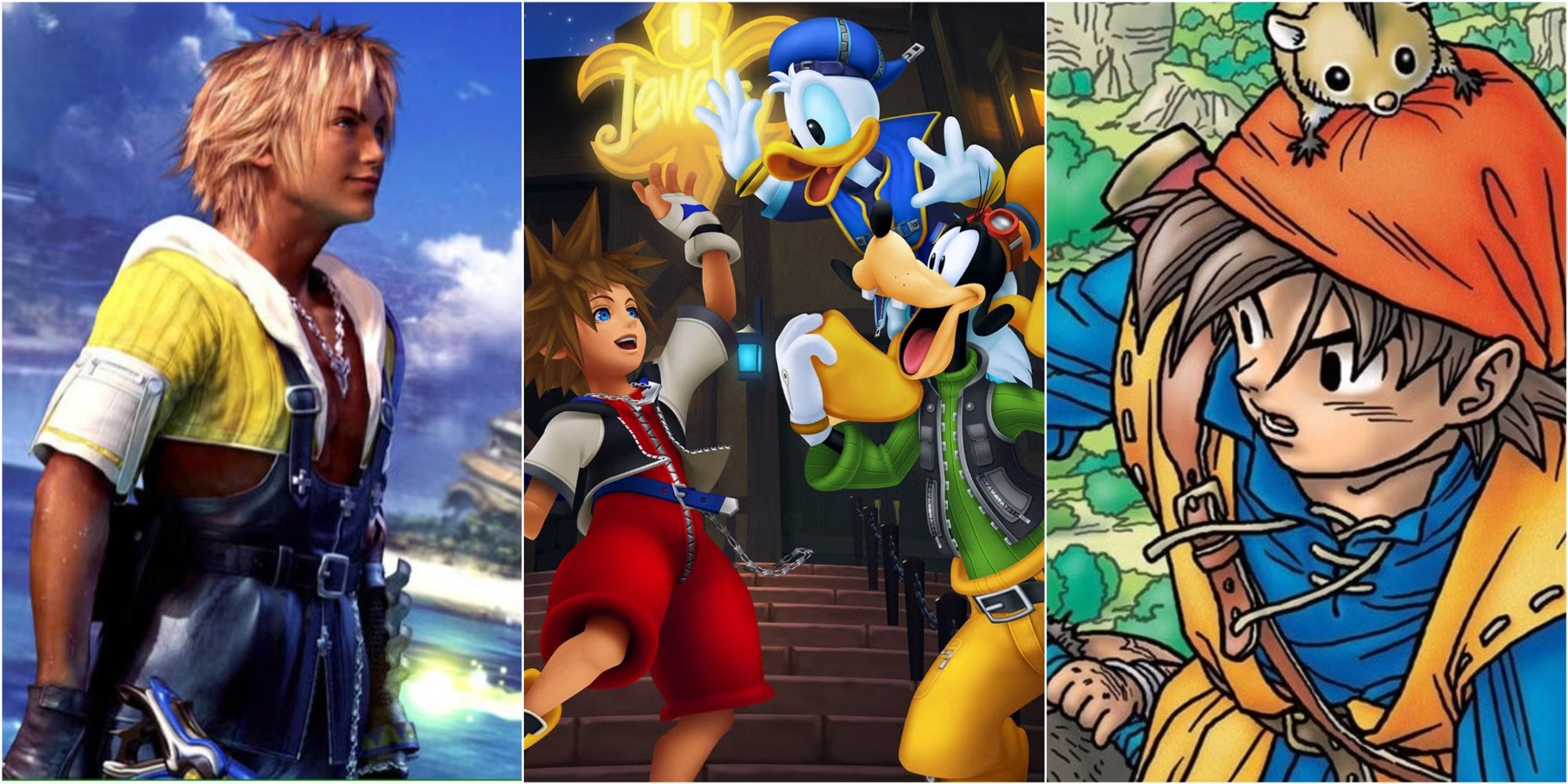
Of course, with a limited amount of time and my interest in other games, it did become a pick and choose battle when it comes to checking out these amazing franchises. With the amount of entries in a lot of these series, one of the key decisions in picking what to play boils down to picking a game with a protagonist that looks cool and making sure the stories are not interconnected.
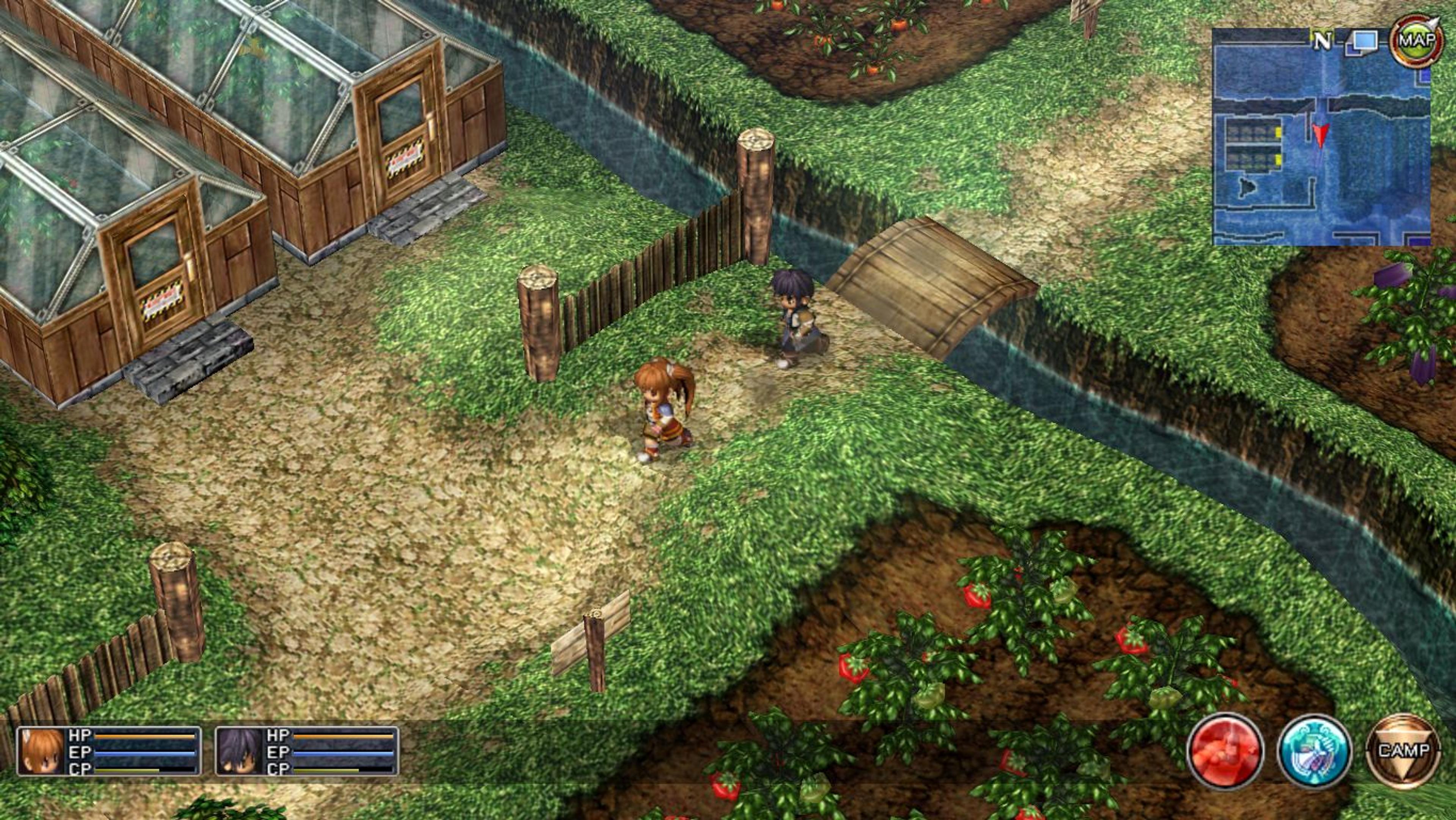
This is the key reason as to why I have never gotten into Trails. Trails itself is a subset franchise of the bigger and even more ambitious The Legend of Heroes series with over twenty games at this point. On top of that, all the Trails games are interconnected, almost requiring you to know the lore from previous story arcs to fully get the picture. While fans debate and try to convince you that you can start at any beginning of a new story arc, they eventually admit that you need to go all the way where it all began in 2004 where it all began. Back to The Legend of Heroes: Trails in the Sky.
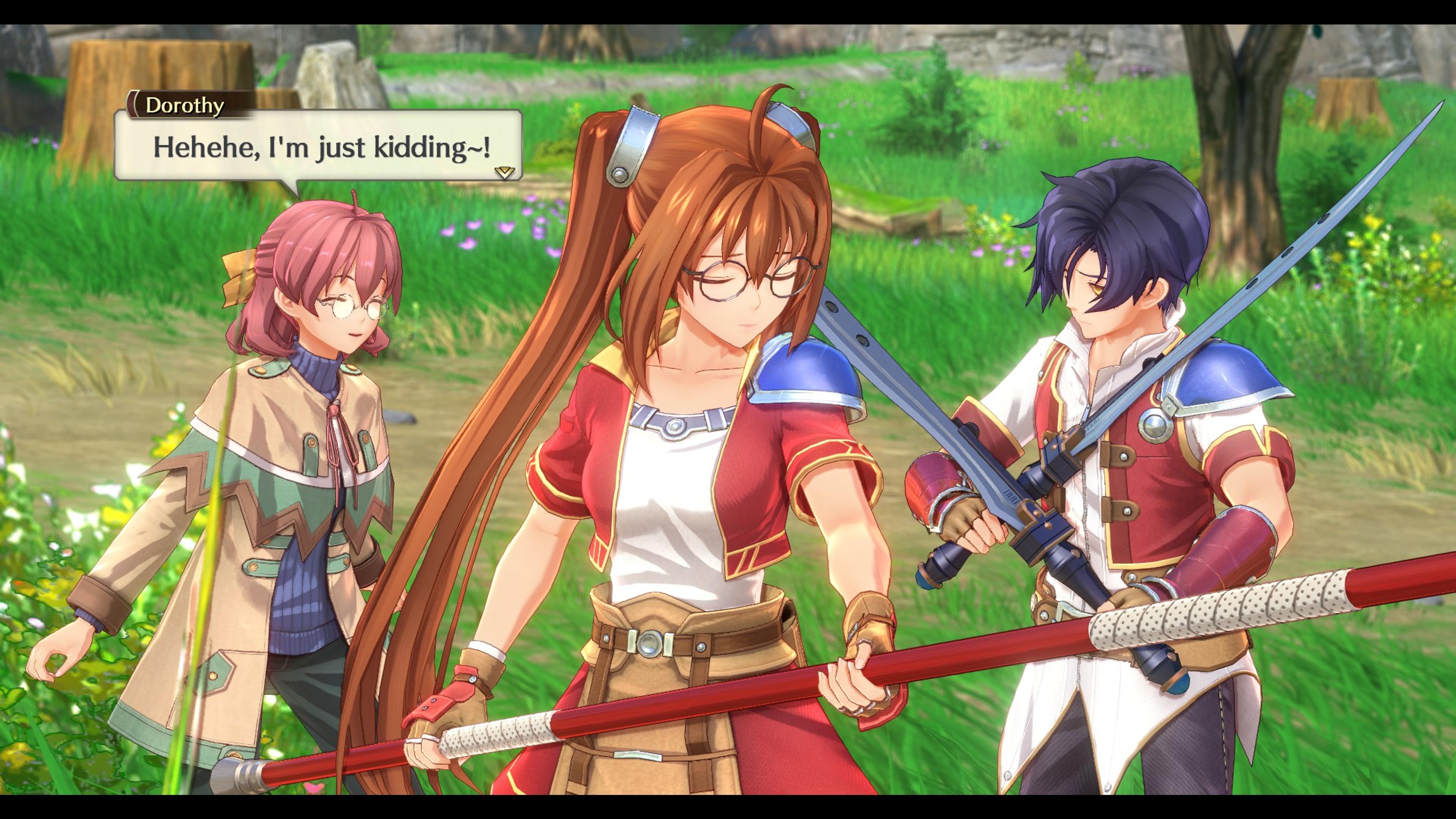
I’ve heard so many amazing things about the Trails in the Sky trilogy. People gush about how it’s some of the best pieces of writing you can find in a Japanese role-playing game with its character-driven plot, incredibly strong cast of characters, antagonists with nuance and strong convictions, subversive use of anime tropes to explore political themes and social norms. While I can’t say whether or not the remake did the original justice, but, recency bias be damned, Trails in the Sky: 1st Chapter is not only a timeless story, but a masterclass in storytelling that makes me question myself as to why I have not gotten into this franchise earlier.
Walk the Lands You’re Meant to Protect
If you work in an international non-governmental organisation with the goal of keeping peace and protecting civilians and helping them with their odd jobs, what’s a better way to learn about your job and of the citizens other than actually doing so!?
Trails in the Sky 1st Chapter follows the story of the jolly and headstrong Estelle Bright and the stoic and booksmart Joshua Bright; adopted siblings who have just completed their apprenticeship with the Bracer Guild (the aforementioned organisation) in the footsteps of their father, Cassius Bright. With their father missing after being assigned a mysterious task, the pair went on a quest to find him while also completing tasks to get promoted to “Senior Bracers” from the five major cities in the kingdom. Chaos ensues as the pair encounters an eccentric (and broke as hell) journalist, getting into a fight with the regional gang, rescuing people from low budget sky pirates and helping mad scientists baby sit his granddaughter.
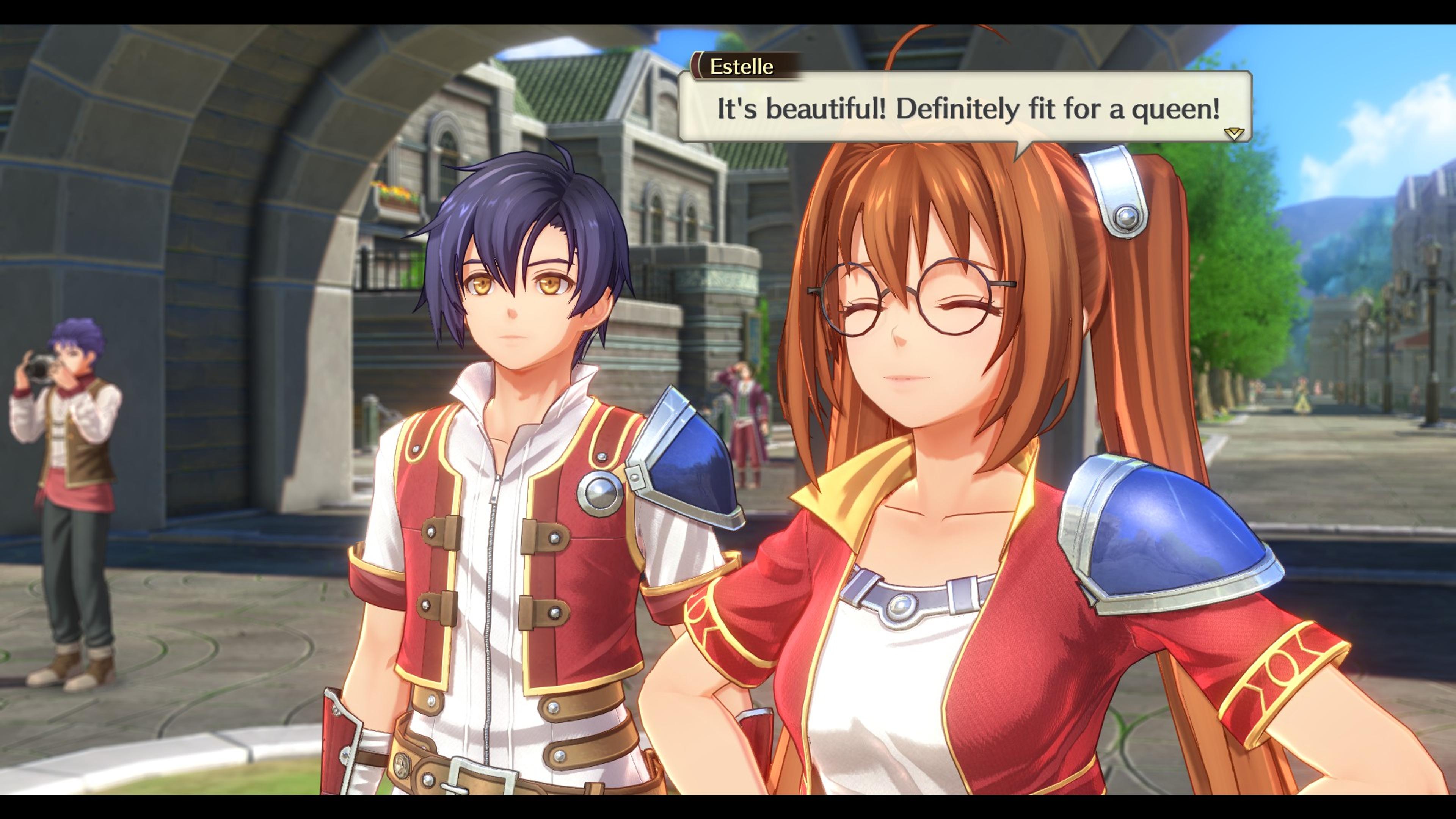
The strength of Trails in the Sky 1st Chapter is that our lovable protagonists are not “the chosen ones” so to speak. As described earlier, the jobs they take and the adventures they go on can get rather silly, but at the same time, that is the best way to introduce us not only to the pair, but to the kingdom of Liberl where the game takes place. The low stake, while seemingly not exciting, is very appropriate for Bracers whos’ just begun their career, and the organic growth in terms of power of the characters feels reasonable as the game progresses. Heck, minor spoiler, but even by the end of 1st Chapter, the two young Bracers were able to accomplish so much with the help of other Senior Bracers that it feels realistic and not out of place at all.
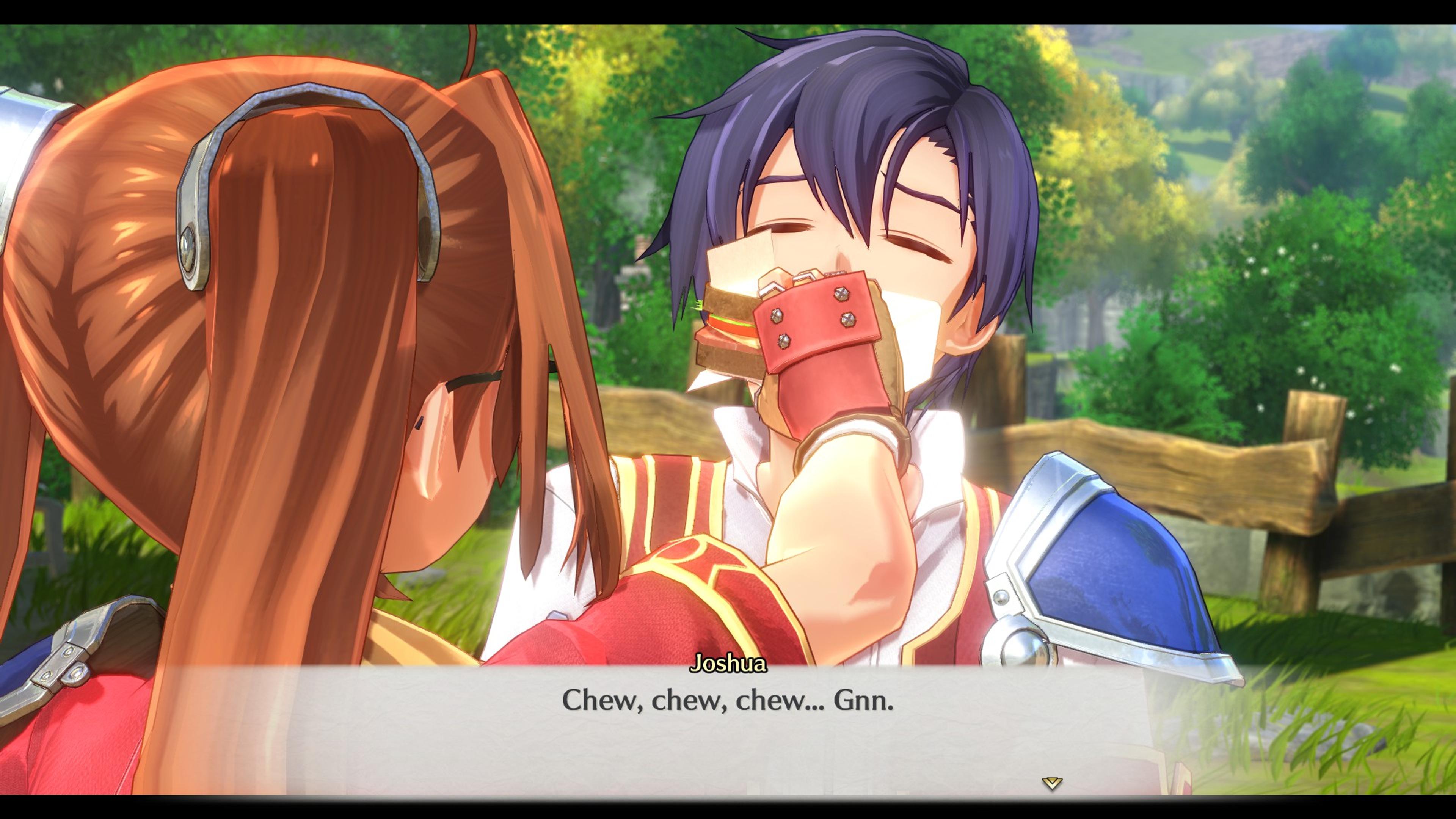
The heart of the game is undeniably the two lead characters; Estelle and Joshua. Look, this is going to sound incredibly weird and I know a lot of people also look down upon step-siblings turn lovers tropes, but the game did a great job establishing the crushes the two had on each other since the first day they met and made sure that their “sibling bond” was not played as “forbidden love between step siblings” but rather “two teenagers figuring out that they like each other”. In all honesty, if this dynamic sounds yucky to you, I’d say give the demo a go to see it for yourself first. If you are not convinced, this game is not for you, as the game requires you to be rather invested in their bond.
Liberl and its Inhabitants
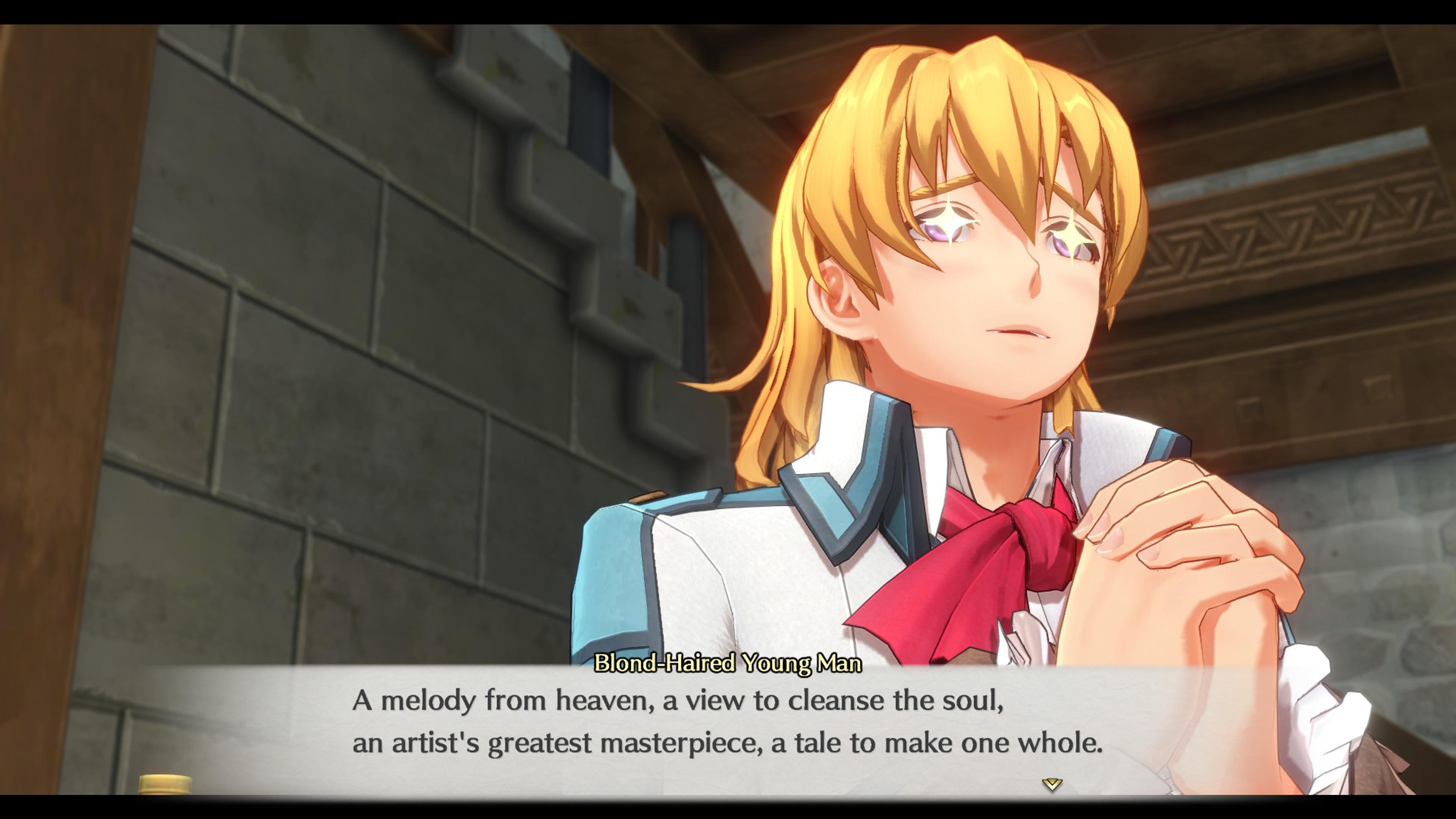
That’s not all the game has to offer, though, as the side characters are so memorable and so well written. While at first they are usually portrayed as a one-dimensional character, the game subverts your expectations and portrays them with depth and respect. Olivier is a great example; he’s introduced as a blonde flirt who does not know what a boundary is, but the game also gives you a lot of hints and clues since the first encounter with the character that he’s merely playing a character and trying to conceal his schemes (albeit the schemes do get a little silly). This also applies to every NPCs you will talk to in town, as almost all of them are named and have “progression” to them. When you talk to an NPC and return to them after a couple of hours of playtime, their “story” will progress, and you will see them doing different tasks or accomplishing things they told you the last time you talked to them. It’s quite an awesome feature that has been a thing since 2004, and it wasn’t until more recent and ambitious releases like Final Fantasy 7: Rebirth attempts to do with their townies.
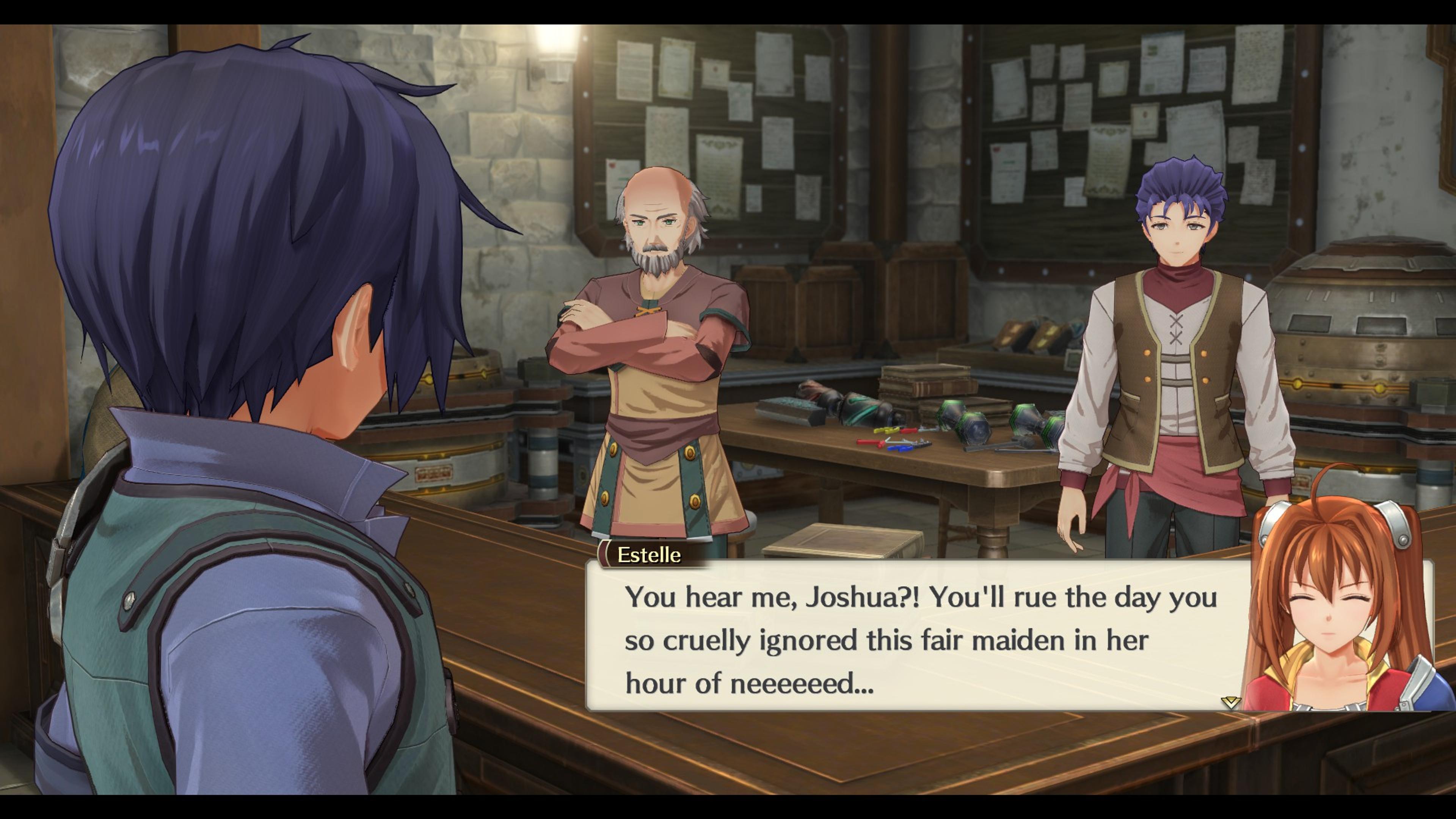
Speaking of that, there are multiple sidequests in this game that also explore a plethora of lore and expand on how the locals work. While the game has quite a handful of “go here, take this item” quest structure, due to the nature of the Bracer job and the incredible writing and world building, it never feels boring to do. The lore payoff combined with multiple gameplay quality of life systems like fast travelling and double speed, really helps complete these mundane tasks, allowing us to lay back and enjoy the story without having to invest too much time into side quests.
Coming from a small town, the game utilises their countryside upbringing to its advantage by using Estelle’s lack of book smarts to do world building for players while having the bookworm like Joshua and the locals organically explain to us through Estelle of the state of the world. The game then balances this out by showcasing Estelle’s traits and character via her compassion and optimism, making her “shonen protagonist energy” shine through. Their interactions and how they respond to the people is one of the core themes explored in 1st Chapter as the game pushes for collectivism in society.
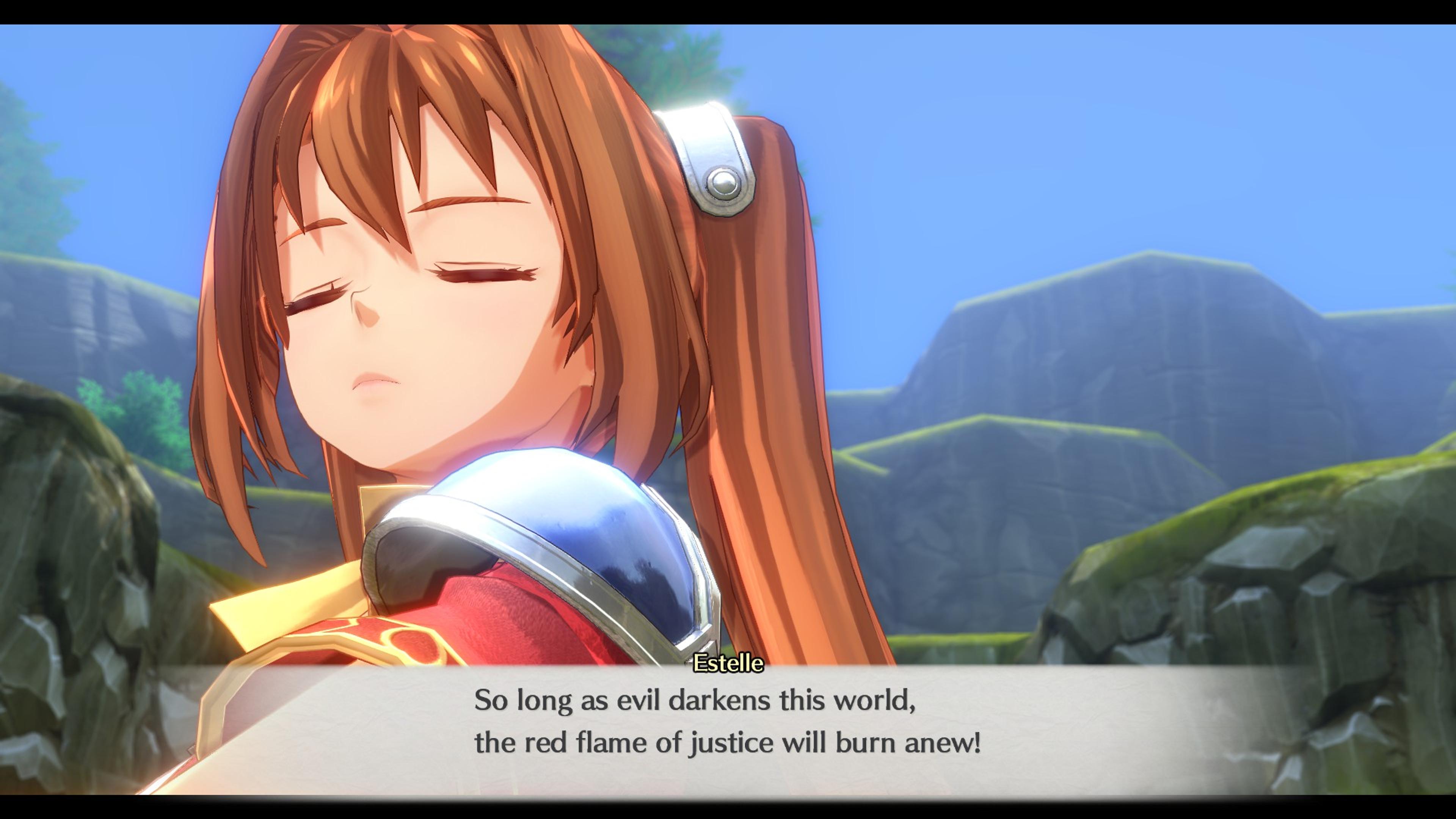
The game also does not shy away from tackling sexism and feminism. What I thought of as a “haha anime girl getting made fun of for being a girl” really accumulated to one of the biggest plot points for the game. The casual sexist remarks that Estelle faced and the portrayal of gender roles and norms in Liberl did end up getting questioned and challenged by the writing team in such a rewarding way. Again, this game loves subverting anime tropes and starts questioning why the stereotypes are the way they are.
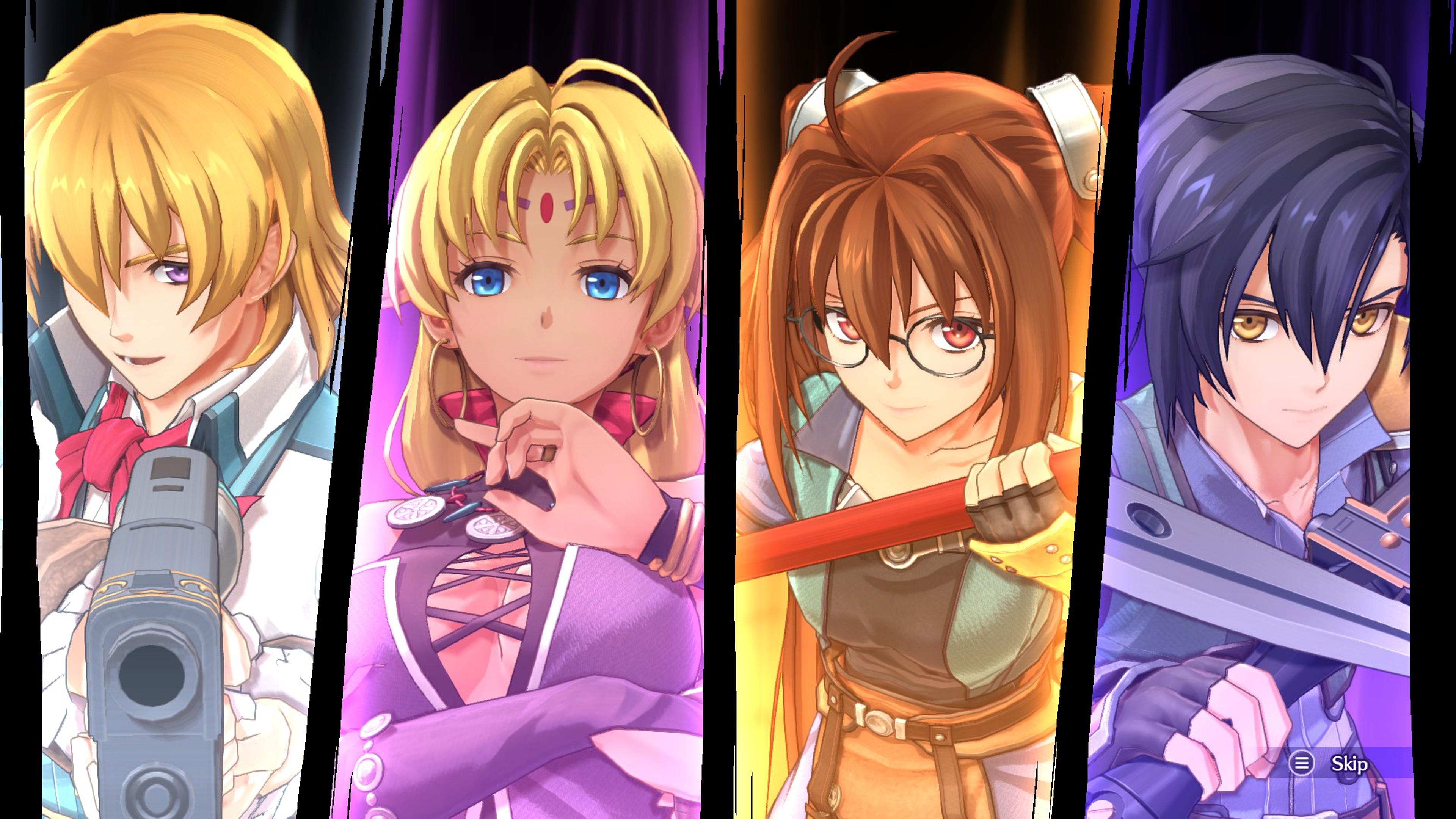
This is all brought together by a fantastic English cast with returning talents from the 2004 releases and some new ones. Stephanie Sheh and Johnny Young Bosch sold me on Estelle and Joshua respectively within the first hour of the game. With the talents of Matthew Mercer, Michelle Ruff, Kyle Hebert and more, this game’s cast certainly left a huge impression on me and felt like a classic 2000s anime that’s earned its legendary status.
Seamless Hybrid Battle Modes
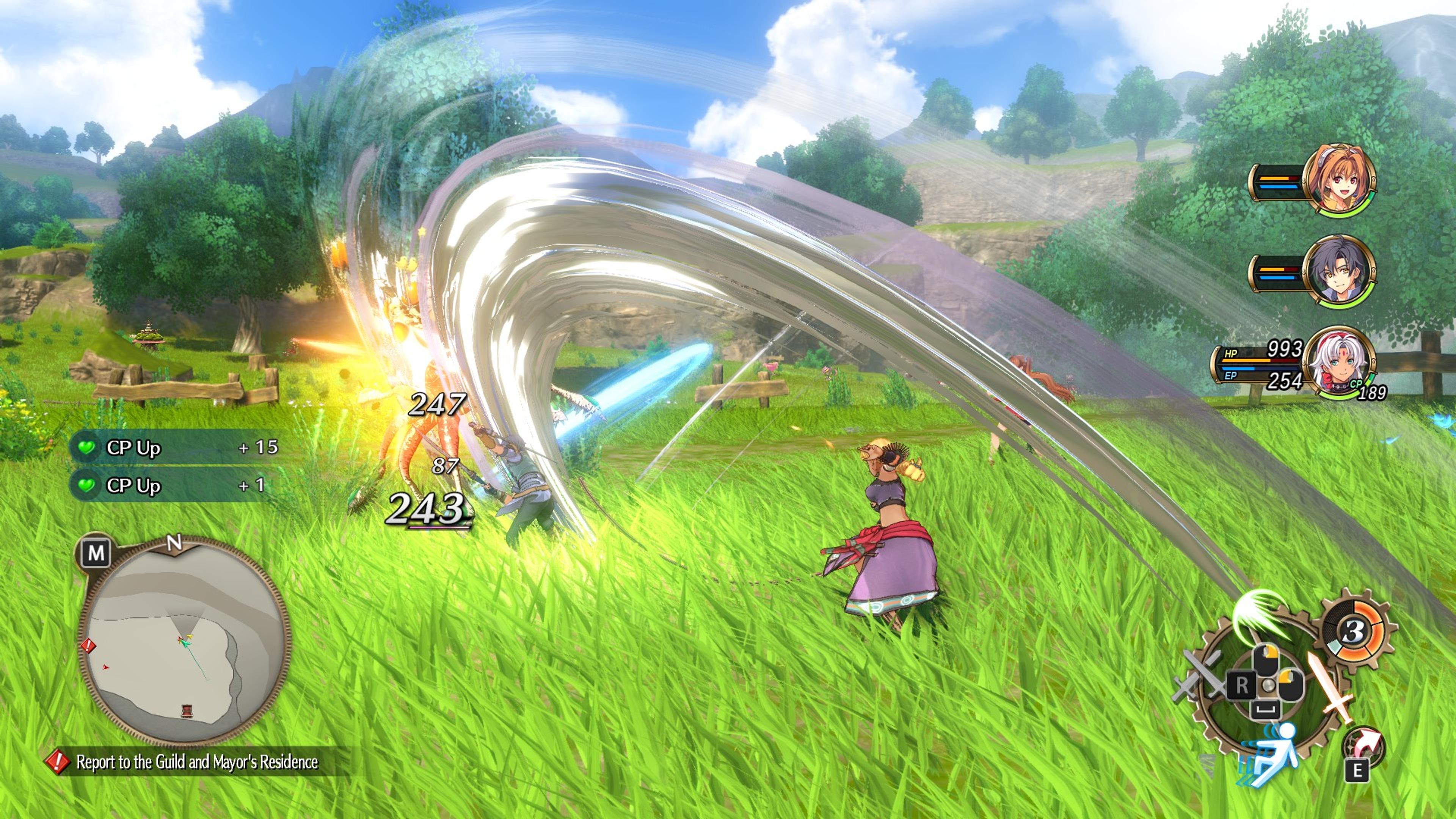
The real-time quick battle and turn-based combat hybrid from the newer Trails game is such a breath of fresh air for me as a JRPG enthusiast. Compared to its peer like Metaphor: ReFantazio, where the quick battle only really serves as a faster farming method, Trails in the Sky 1st Chapter introduced more purpose to the quick battle portion of the game, with us being able to power up before transiting into the turn-based mode, or simply duking it out like an action game. Admittedly, the quick battle mode is not very in-depth, but I don’t think it’s meant to be either. You won’t be making animation cancels or combos or swapping characters mid string into another character for big attacks, but it’s a fun and serviceable way to play. Think of it as more akin to combat in platforming games.
The turn-based combat system of this game, though, is what is interesting. This game uses turn order similar to Final Fantasy X’s timeline, and the key to winning a decisive battle is to manipulate this timeline. It’s all about utilising tools and abilities to stun enemies, delay their turns, interrupt their spells, or using the S-Craft system (think Limit Break from Final Fantasy) to interrupt enemies’ turns and unleash big attacks. What’s even better is that the game gives you so many tools to deal with any kind of situation. If you know for sure you can’t stun an enemy in time before it can unleash an attack, with a properly built team composition, you would have an Earth Guard to help protect your team for a turn.
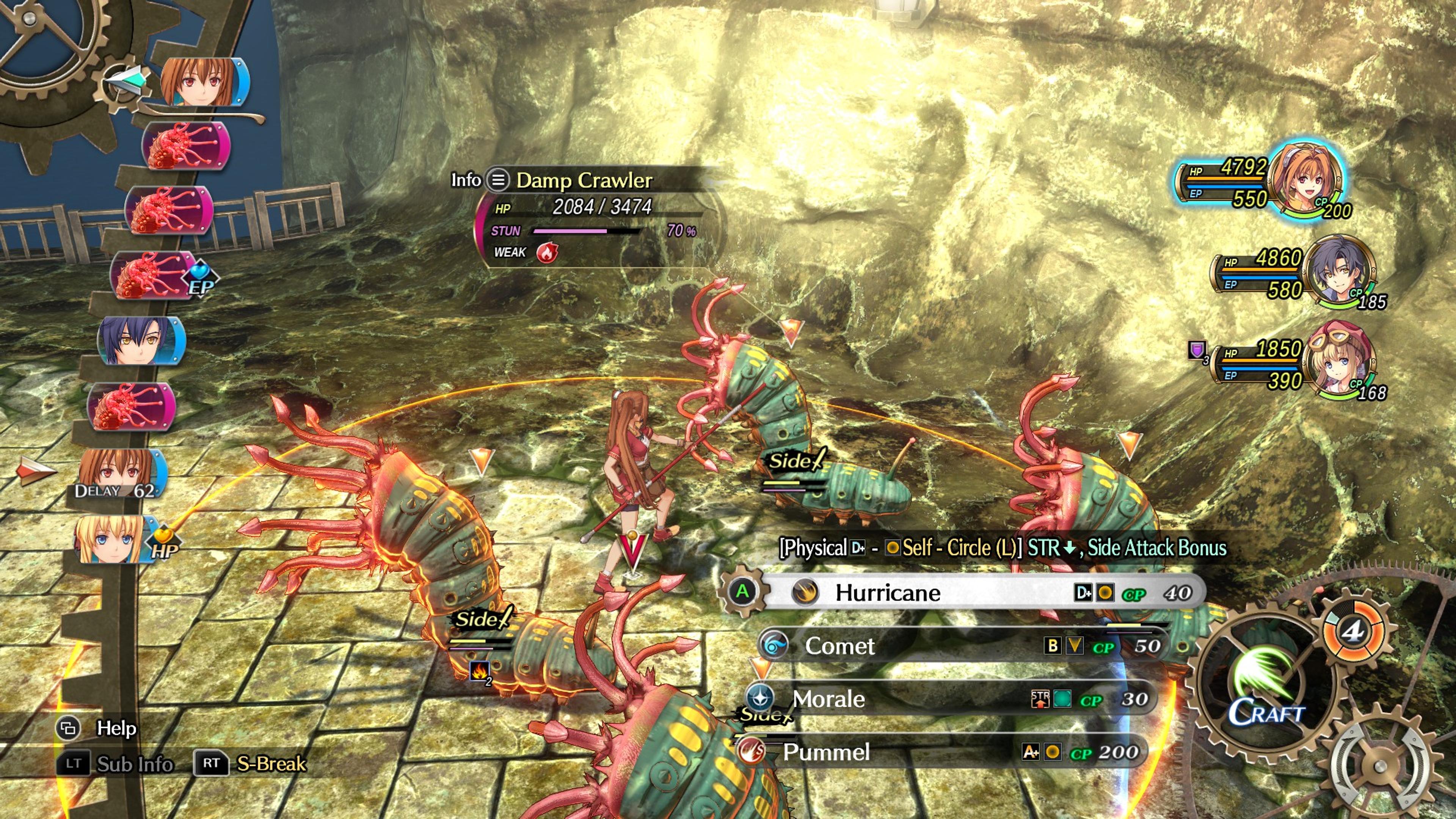
The turn-based combat also has a Bonus system, which randomly assigns buffs to the timeline for both you and the enemy, spicing the battle up by making the fight less predictable even when you’re fighting against the same common enemy. These bonuses come in the form of allowing your character to instantly cast any spell with no EP cost (this game equivalent of mana), guaranteed critical hit, or sometimes stealing enemies' timeline bonus and stats.
The combat aspect of the game is paired up with a simple yet intriguing Orbment system. To paint a picture, it’s a bit similar to the Final Fantasy VII’s Materia system, but at the same time it’s incredibly unique with how it’s handled. Each character can put up to 6 Quartz, which grant bonus stats and unique effects. Stacking the Quartz of the same elements allows you to access powerful spells of the said element, even in the early game. It’s a system that rewards mastery as, if you study it well, you can pull off some crazy moves as early as the second chapter of the game. While each character does have unique passives and starting stats that are suited for certain roles, you can still pretty much build any character into anything. It does allow for creative freedom, but also encourages people to “stick to” the intended role for each character, which creates a great compromise, as some people want characters to have a defined role and some don’t.
What an experience!
I do not have any emotional connection with the original game and this is my first time really getting into any Trails game, so I can’t comment on how faithful it is, but from what I understand, this remake really did the game justice, according to the fans. After playing this game myself for hours, I understand why a majority of the fanbase still consider this game (and its direct sequel, 2nd Chapter) as some of the best JRPG ever made. I am so invested in the bond between Estelle and Joshua, and I really want to see where we’re heading as that ending really left me in shock for a solid hour, and the world of Liberl and its inhabitants are some of my favourites in JRPG to this day. The party members are absolutely adorable, with Kloe, Zin and Olivier being my favourite, and they are given a fair share of screentime that it never felt like any of them outshine others. The pacing of the story was brilliant and the stakes of the conflict were believable, setting up for what is going to be a banger of a conclusion to this ideology in the next arc (as the third game won’t really be about the dynamic duo anymore).
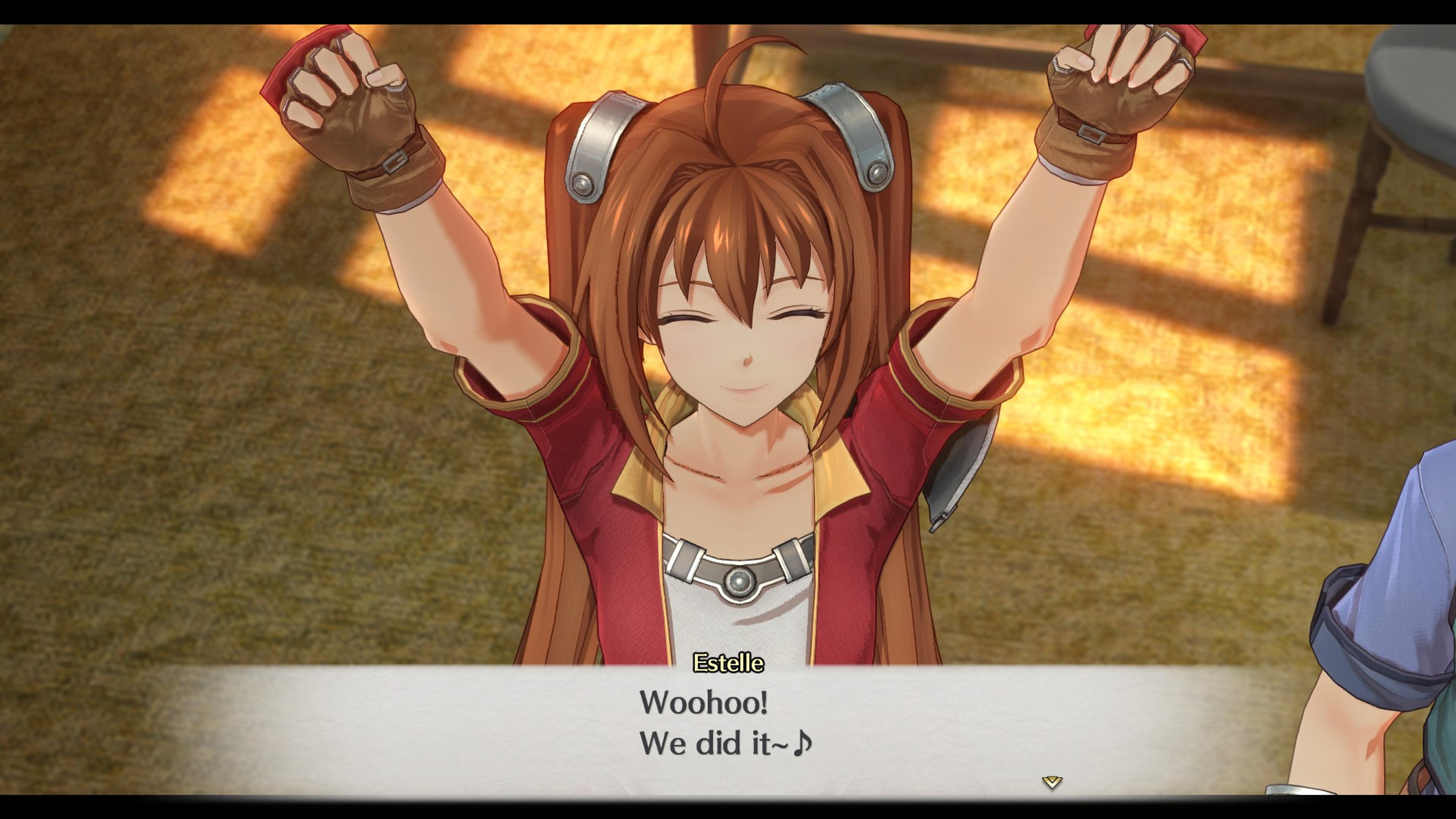
What I love the most about this game is that there’s no evil Church or evil God that randomly gets introduced in the last hour of the game. Having no plot twist villain and a story that respects your time as a player and trusts your intelligence enough to actually figure out who the “main culprit” is without pulling a fast one on you is becoming rather rare in the JRPG sphere.
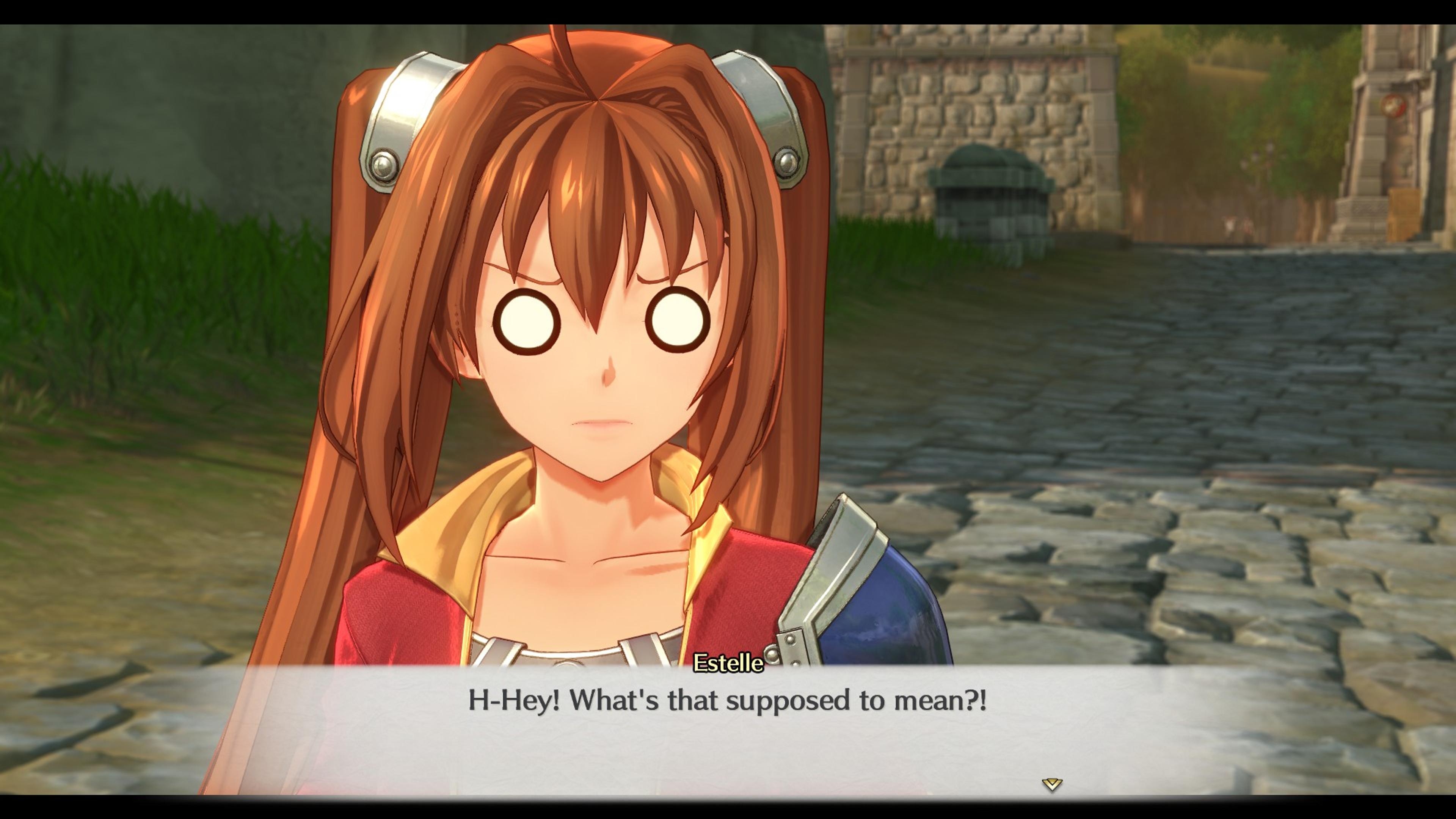
I’m not going to spoil anything regarding the plot, but Trails in the Sky 1st Chapter is famous and acclaimed for its last two hours or so of the game, with many people hailing it as some of the best endings of all time. Now that I’ve played it myself, I can say that I fully agree with this statement. As I’ve mentioned previously, this game left me speechless with how neatly it wraps up the plot of the 50 hours title, but also sets up the premise for an entire game that got me on the edge of my seat yelling, “GIVE ME THE SEQUEL RIGHT NOW”. The cliffhanger HURTS. The writing team did not pull any punches and made sure that it was an emotional gut punch, with the voice actors putting on their A game.
You gotta play it yourself!
Trails as a franchise is intimidating to get into, and there is no other way to describe that. Having Trails in the Sky 1st Chapter being the definitive starting point to the series is incredible for a newcomer like me, and all I can say is “what a hell of an introduction to the series”. You don’t have to be a long time fan to feel that this is a love letter to one, but at the same time, also a warm invitation to any newcomer to really get invested in this series.
Being able to tell a story with heavy political themes yet in a simple and effective manner is a tall task, and the developers nailed that somehow.
Most important thing of all, it’s hella fun to play. The combat system is so refreshing and really proves that you can be innovative with a turn-based system without having to introduce an “interactive” gameplay button and it showcases that this genre can still evolve. This game is a must play if you love the genre, and if you’re looking for something to play for half an hour or so every night, it’s the perfect “bedtime story” game.
If I would have played this last year, I’d easily replace Death Stranding 2 as my favourite of 2025. Kojima’s got to be thankful I didn’t play it.
And this game is supposed to be the “weaker” one of the duology. I can’t wait for this fall.


